
Last updated: 25 July 2026 · ~6 min read · By the Imbas editorial team
TL;DR: Baby skincare for eczema is judged on the back label – “baby” on the front is a marketing category, not a formulation standard. If your baby has eczema, the “baby” aisle feels like it should be the safe one — and mostly it is. But “baby” on the front is a marketing category, not a formulation standard: some “baby” versions add a light fragrance that a brand’s plain adult version doesn’t. Infant skin needs nothing fancy. Check the same short list you would for an adult — fragrance (Parfum), the preservative MI, oxidised Linalool/Limonene — and lean fragrance-free with a simple barrier base. For very reactive skin, the gentlest products are usually the plain fragrance-free ones, not the ones with a baby on the label.
If your baby or toddler has eczema, the “baby” aisle feels like it should be the safe one. Mostly it is. But “baby” on the front is a marketing category, not a formulation standard. Here’s how to read a baby skincare label calmly, so you’re trusting the ingredients rather than the packaging.
The reassuring part first: most baby products are gentle, and infant skin doesn’t need anything fancy. The goal isn’t fear. It’s knowing the two or three things actually worth a glance.
Does “baby” on the label mean the gentlest formula?
Quick Answer: No. There’s no rule reserving the word “baby” for the mildest formula. Some “baby” versions of a brand are lovely and simple; some add a light fragrance the plain adult version doesn’t. “Baby” on the front is not automatically the gentlest option — the only way to know is to read the back.
This is the same trap as everywhere in skincare: the front of the pack is marketing, the back is the document. A cream marketed for babies with Parfum high on its list is a more relevant flag for eczema-prone infant skin than a plain adult cream with none.
Key takeaway: Judge a baby product by its ingredient list, not the baby on the bottle.
Which ingredients are worth a glance on a baby label?
Quick Answer: The same ones that matter for adults, because infant skin reacts to the same things: fragrance (Parfum), the preservative MI, and oxidised Linalool/Limonene in older products. Presence isn’t proof a product will bother your baby — it’s a reason to read on.
What to check on a baby skincare label for eczema-prone infant skin. Frequency framing per NACDG patch-test data (people tested for allergies); MI status per SCCS/1521/13. Retrieved July 2026.
| Ingredient (INCI) | Why it’s worth a glance | Note for baby skin |
|---|---|---|
| Parfum / Fragrance | The most common thing sensitive skin reacts to | No reason a baby product needs added scent — fragrance-free is the easy default |
| Methylisothiazolinone (MI) | A known contact allergen; restricted, not banned [SCCS/1521/13] | Not permitted in EU leave-on products, so a leave-on baby cream listing it is a useful flag |
| Linalool / Limonene | Fine fresh; oxidised forms trigger | Relevant for a product that’s been open a while |
The barrier-base logic is the same as for adult moisturisers: glycerin, ceramides, and petrolatum are good signs, not warnings. Infant skin mainly needs a simple, fragrance-free barrier.
Key takeaway: Fragrance-free first. That single choice removes the most likely irritant.
What baby skincare for eczema actually reads clean?
Quick Answer: Often the plainest ones — simple, fragrance-free products, not necessarily the “baby”-branded ones. A few widely available in Malaysia read clean on their published formulas and are gentle enough for infant skin (patch-test anything new first).
The cleanest “baby” products are frequently the ones without a baby on the label at all — a plain fragrance-free wash or a barrier cream. Formulas change by market and pack, so confirm the ingredient list on what you actually buy, and for a baby’s skin, your paediatrician or dermatologist is the right first call for anything persistent.
For the wipes that clean that delicate skin, we go through them separately in what to know about wet wipes and sensitive skin.
Key takeaway: Buy for a fragrance-free, barrier-simple formula confirmed on the back — the “baby” badge is optional.
Frequently asked questions
Are baby products automatically better for eczema? No. “Baby” is a marketing category, not a formulation standard. Some baby products are beautifully simple; others add a light fragrance a brand’s adult version skips. For eczema-prone infant skin, a plain fragrance-free product often reads cleaner than a “baby”-branded one with added Parfum. The ingredient list decides, not the label.
What ingredients should I avoid in baby skincare for eczema? A short list is worth checking rather than fearing: added fragrance (Parfum), the preservative MI (restricted, not banned; not permitted in EU leave-on products [SCCS/1521/13]), and oxidised Linalool/Limonene in older products. Most other ingredients, including long chemical-sounding ones, are fine. Presence on a label isn’t proof it will bother your baby.
Is fragrance-free important for baby eczema? Yes — it’s the single highest-value choice. Fragrance is the most common thing sensitive skin reacts to, and a baby product has no functional need to be scented. Choosing fragrance-free removes the most likely irritant in one step. Confirm it on the ingredient list rather than trusting “gentle” or “sensitive” on the front.
Can I use adult moisturiser on my baby’s eczema? Often yes, if the formula is simple and fragrance-free — the ingredient list matters more than the “baby” or “adult” label. A plain barrier cream with ceramides or petrolatum that suits eczema-prone skin is generally fine for infants. For persistent or severe baby eczema, check with your paediatrician or dermatologist first.
Do I need special baby wipes for eczema-prone skin? Choose fragrance-free, and for very reactive or broken skin, plain warm water on cotton wool is gentler than any wipe. The historical wipe concern was the preservative MI, though most brands reformulated. “Sensitive” or “for baby” on the front isn’t a formula — check the ingredient list. More in wet wipes and sensitive skin.
Simple, fragrance-free products that read clean for babies
Not “baby”-branded — just genuinely fragrance-free and barrier-friendly. These read cleanly for eczema-prone skin and are gentle enough for little ones (patch-test anything new first).
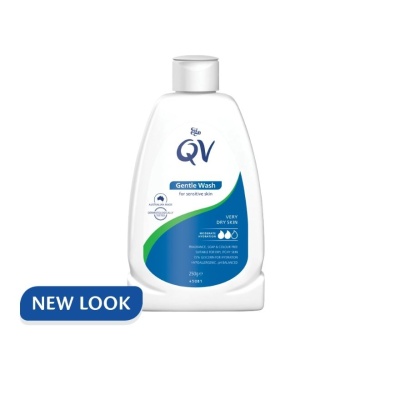
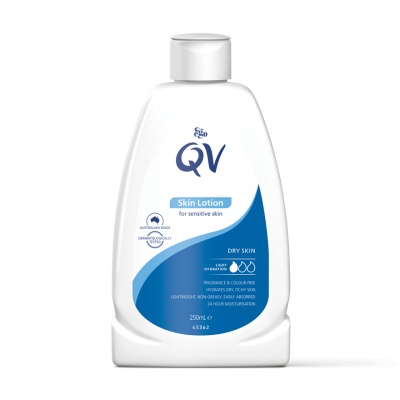
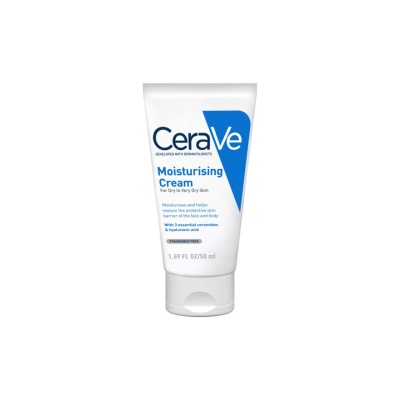
Some links are affiliate links — if you buy through them we may earn a small commission, at no extra cost to you. We only suggest products that meet the criteria described in the article, and we say why.
Prices and availability change, and formulas differ by market. General information, not medical advice — for a baby’s skin, your paediatrician or dermatologist is the right first call. Imbas is launching soon — join the waitlist →
Or — scan what’s already in the nursery
You don’t need to memorise any of this. Point Imbas at the bottle you already own, tell it the skin is eczema-prone, and it reads the ingredient list for you — flagging only what’s worth knowing, and reassuring you about the rest. Imbas is launching soon — join the waitlist →
General information, not medical advice. For a baby’s eczema or any infant skin concern, your paediatrician or dermatologist is the right first call.