
Last updated: 25 July 2026 · ~5 min read · By the Imbas editorial team
TL;DR: The “eczema ingredients to avoid” lists online are mostly myth – lanolin, propylene glycol and CAPB clear on the evidence. A handful of ingredients get flagged as eczema villains that, for the overwhelming majority of people, simply aren’t: lanolin, propylene glycol, cocamidopropyl betaine, and short-chain parabens (methyl-, ethyl-). Lanolin’s general-population patch-test positivity is only around 1.6% [PMC11355248]; propylene glycol reacts in a small minority and the test over-flags it [NACDG]; CAPB trouble is usually a manufacturing impurity, not the ingredient [PMC11187029]; and methyl-/ethylparaben are judged safe by the EU’s scientific committee [SCCS]. This isn’t “ignore ingredients” — it’s the opposite. A flag is only useful if it’s rare.
Spend ten minutes in the clean-beauty corners of the internet and you’ll come away convinced half your bathroom is out to get you. Here’s the calmer, evidence-based reality: a handful of ingredients get flagged as eczema villains that, for the overwhelming majority of people, simply aren’t. This isn’t “ignore ingredients.” It’s the opposite — a flag is only useful if it’s rare, so knowing which flags to relax about is exactly what makes the real ones worth trusting. A useful flag is a rare one.
Which “eczema ingredients to avoid” does the evidence actually clear?
Quick Answer: Four that dominate avoid-lists: lanolin, propylene glycol, cocamidopropyl betaine, and the short-chain parabens. Each reacts in only a small minority, and in several cases the patch test itself over-flags them.
The commonly feared eczema ingredients and what the evidence says. Frequency framing per NACDG patch-test data (people already tested for allergies, not the general public). Retrieved July 2026.
| Ingredient | The fear | What the evidence says |
|---|---|---|
| Lanolin | “Classic eczema villain” | General-population patch-test positivity around 1.6%; clinical relevance openly debated [PMC11355248] |
| Propylene glycol | “Irritant, avoid” | Reacts in a small minority; the test over-flags it [NACDG — ~3.5% among patch-test patients, low clinical relevance] |
| Cocamidopropyl betaine | “Harsh surfactant” | Trouble is usually a manufacturing impurity, not the ingredient [PMC11187029] |
| Methyl-/ethylparaben | “Parabens are banned” | Judged safe at permitted levels by the EU SCCS; only five other parabens are banned [Reg. (EU) 358/2014] |
Key takeaway: Seeing any of these on a label is not, on its own, a reason to put the product back.
Why do these keep getting flagged, then?
Quick Answer: Because a scary-sounding name is easy to flag and a nuanced truth isn’t. The pattern underneath every one of these is the same: presence isn’t proof. An ingredient on a label is a fact, not a verdict.
Take each in turn. Lanolin is wool-derived and sounds old-fashioned, but for most people it’s simply a good occlusive that helps the skin barrier hold water. Propylene glycol‘s bad name comes partly from a patch test that over-reads it — a positive result doesn’t always mean real-world trouble. Cocamidopropyl betaine is a mild coconut-derived surfactant; where it irritates, the culprit is usually a leftover impurity from production, which is why formulation quality matters more than the name. And “parabens” is where fear content is laziest, because the honest answer depends on which one: methyl- and ethylparaben are judged safe by the EU’s scientific committee [SCCS].
If an app or influencer flags all of these red, it isn’t being careful. It’s being noisy, and it’s making the same mistake as the viral comedogenic charts: flag the word, ignore whether it matters for you.
Key takeaway: A label tells you what’s present. Only your skin, and sometimes a patch test, tells you what matters.
Frequently asked questions
Is lanolin bad for eczema? For most people, no. Lanolin is a wool-derived occlusive that helps the skin barrier retain water. Its general-population patch-test positivity is only around 1.6%, and dermatologists openly debate whether many positive tests are even clinically meaningful [PMC11355248]. If you know you react to it, avoid it; otherwise it’s very unlikely to be your problem.
Is propylene glycol safe for eczema-prone skin? Usually yes. It reacts in a small minority, and the patch test used to detect it is known to over-flag it, so positive results don’t always translate to real-world trouble [NACDG — around 3.5% among patch-test patients, low clinical relevance]. If you already know you’re PG-reactive, avoid it; if you don’t, it’s very unlikely to bother you.
Are parabens banned in Europe? Only some. Five specific parabens are banned [Reg. (EU) 358/2014], but the common short-chain ones — methyl- and ethylparaben — are judged safe at permitted levels by the EU’s scientific committee [SCCS]. So “parabens are banned in Europe,” as a blanket sentence, is false, and a reliable marker of fear-based content.
Is cocamidopropyl betaine an irritant? Rarely, and usually not because of the ingredient itself. Cocamidopropyl betaine is a mild coconut-derived surfactant that helps gentle cleansers foam. Where it does cause irritation, the culprit is typically a manufacturing impurity left from production, not the surfactant [PMC11187029] — which is why formulation quality matters more than the scary-looking name.
Should I avoid every ingredient that gets flagged online? No — that’s the core mistake. A useful flag is a rare one. If a source marks a long list of common ingredients red, it’s optimising for alarm, not accuracy. The evidence clears most of the usual “villains” for the overwhelming majority of people. Learn the genuinely worth-checking few, and relax about the rest.
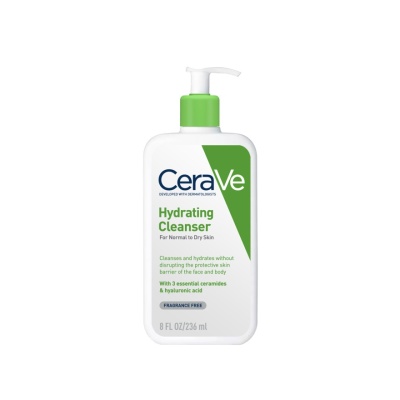
Gentle products that read clean for eczema-prone skin
None of the “scary” ingredients above should scare you off a good product. On their published formulas, these read cleanly for eczema-prone skin — proof that simple beats fearful.
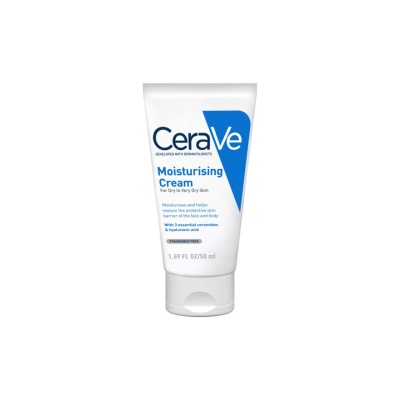
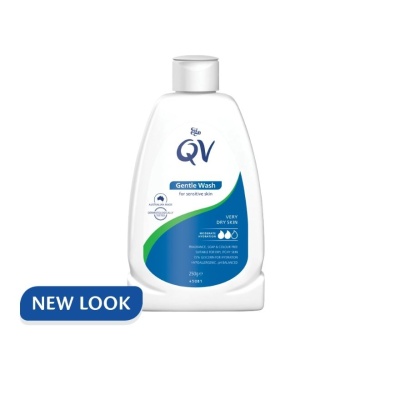
Some links are affiliate links — if you buy through them we may earn a small commission, at no extra cost to you. It’s what lets us do this research and take no money from brands to change a result.
Prices and availability change, and formulas differ by market. General information, not medical advice — for persistent or severe symptoms, see a doctor or dermatologist. Imbas is launching soon — join the waitlist →
General information, not medical advice — if your eczema is severe or persistent, see a doctor or dermatologist. If you know you react to a specific ingredient, keep avoiding it; this is about the ingredients most people are told to fear without cause.